By Theo Bouchard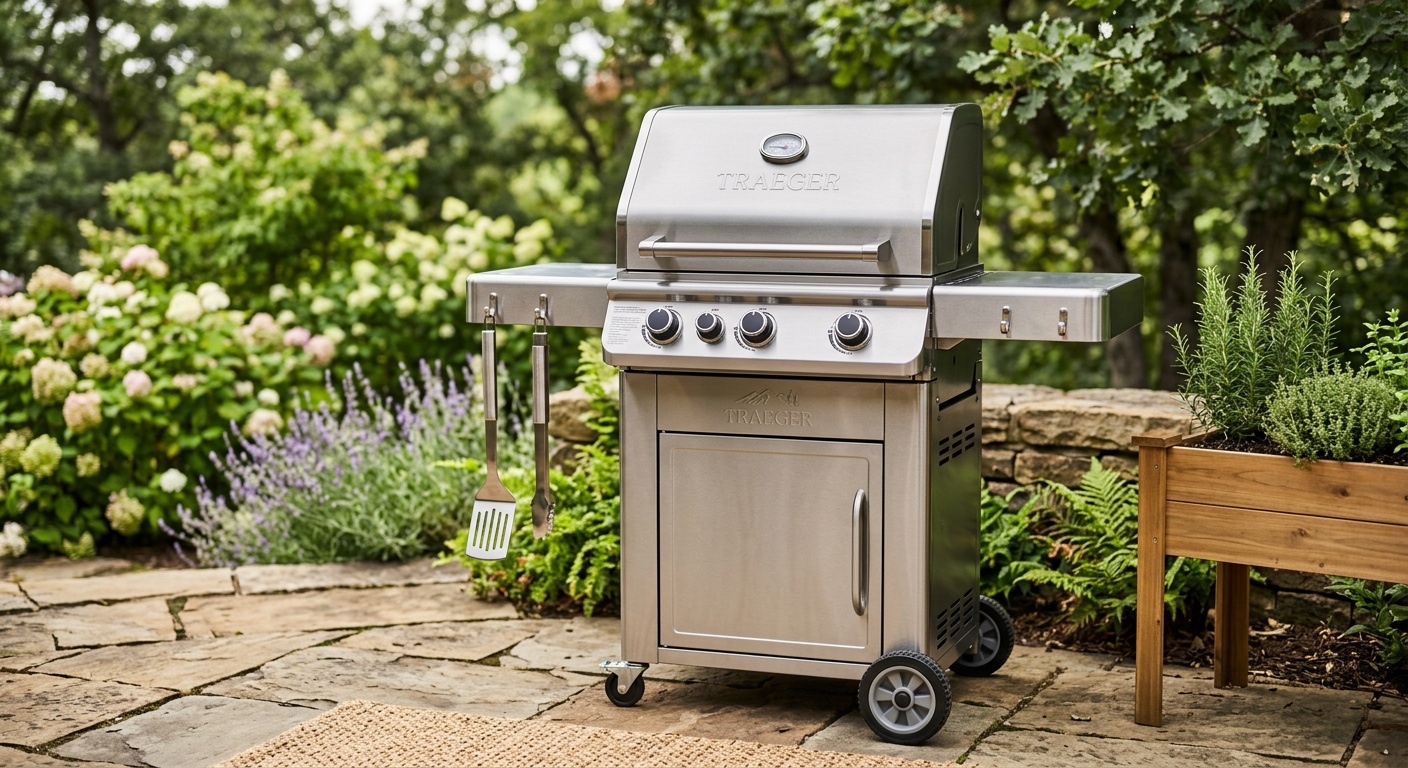
Best Outdoor Kitchen Appliances and Materials for Danville Weather
Reading time: 9 minutes
If you’ve ever watched a beautiful stainless steel grill turn into a rust-speckled eyesore after just two Danville summers, you already know the stakes. This isn’t just about picking pretty appliances—it’s about engineering an outdoor kitchen that survives triple-digit August afternoons, smoky wildfire-season air, and the surprisingly sharp winter chill that rolls through the San Ramon Valley.
Let’s break down exactly what works, what fails, and why—so you don’t have to learn the hard way.
Table of Contents
- Understanding Danville’s Climate Challenges
- Appliances Built for the Valley
- Materials That Actually Hold Up
- Durability Comparison at a Glance
- Common Challenges and How to Fix Them
- FAQs
- Your Danville Outdoor Kitchen Roadmap
Understanding Danville’s Climate Challenges
Danville sits in a Mediterranean microclimate wedged against Mount Diablo, which means it doesn’t just get warm—it gets extreme. Summer highs regularly hit 95–102°F between June and September, with 2025 recording eleven days above 100°F according to regional weather tracking. Add in wildfire smoke season (typically August through October) and low humidity that averages under 30% in peak summer, and you’ve got a recipe for accelerated material fatigue.
Then winter flips the script entirely. Rainfall averages around 22 inches annually, concentrated between November and March, and overnight lows can dip into the mid-30s°F. That freeze-thaw cycle—even a mild one—is brutal on porous stone and low-grade metals.
Heat and Sun Exposure
UV radiation in the East Bay is intense enough that unprotected plastics and lower-grade composites can fade or warp within 18–24 months. Direct sun exposure on dark countertop materials can also push surface temperatures above 140°F, which matters if you’re leaning on a counter to plate food.
Winter Chill and Rain
Homeowners often assume Danville is “always sunny,” but the wet season brings real moisture stress. Standing water around appliance bases, combined with occasional cold snaps, creates the exact conditions that cause corrosion, cracked grout lines, and warped cabinetry doors if you cut corners on materials.
Appliances Built for the Valley
“The single biggest mistake I see in Danville backyards is homeowners buying appliances rated for mild coastal climates instead of inland heat-and-freeze cycles,” says Marcus Ojeda, a Bay Area outdoor living designer with more than 15 years in the field. “You need 304-grade stainless steel at minimum, and honestly, I push most clients toward 316 marine-grade if they’re within a few miles of any wind corridor.”
Grills and Cooktops
For Danville specifically, prioritize:
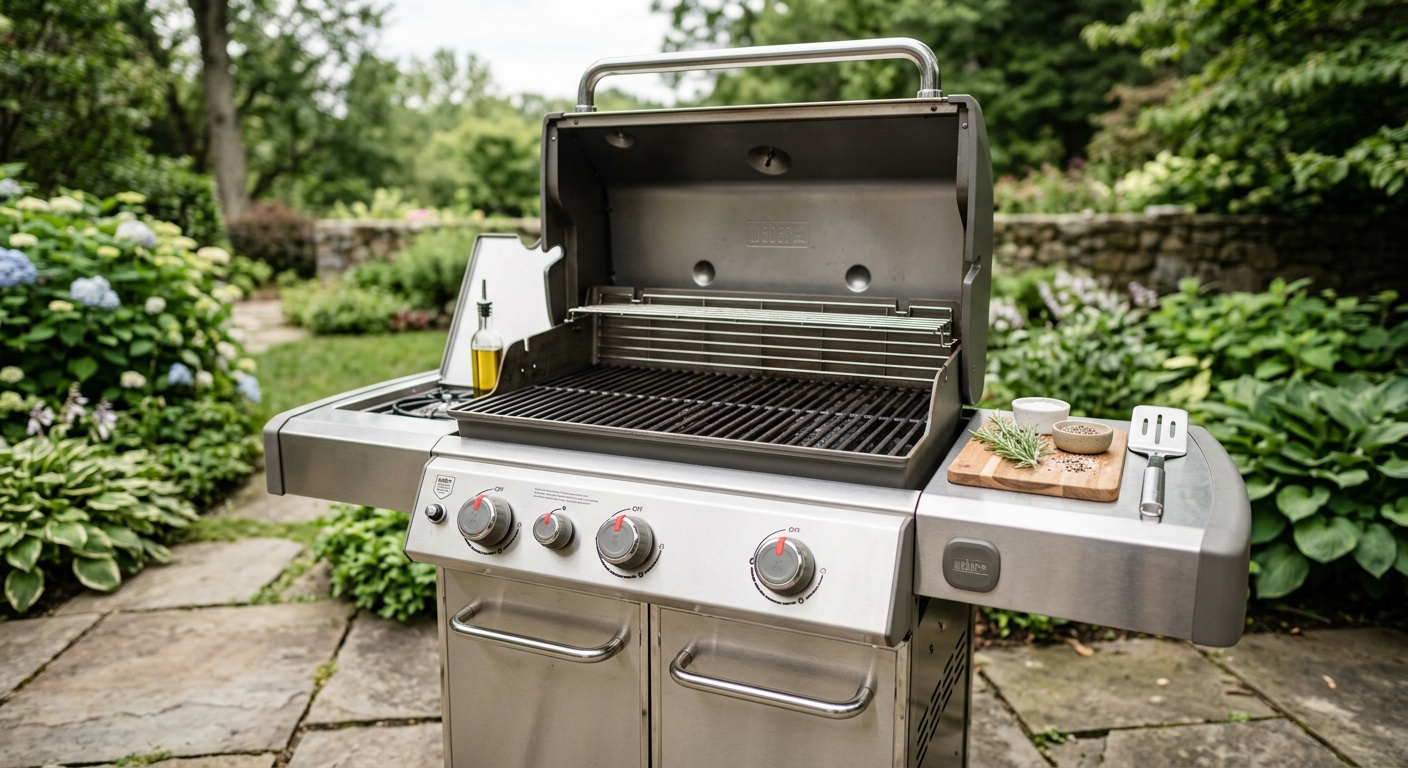
- 304 or 316 stainless steel grills — resistant to both UV degradation and the mineral content in local water used for cleaning.
- Ceramic-infused burners — these retain heat efficiency even when ambient temps swing 60+ degrees between day and night.
- Insulated hoods — critical during smoke season when you want to keep cooking without amplifying ash buildup on food.
A real-world example: A family in the Blackhawk area replaced their aluminum-bodied grill after just three years when the finish pitted from sun exposure. Switching to a 316-grade unit with a ceramic sear station meant zero corrosion after two full seasons, even through the 2025 heat spike.
Refrigeration and Storage
Outdoor refrigerators need compressors rated for high-heat operation—look for units tested to function reliably up to 110°F ambient. Danville’s dry heat actually helps here compared to humid climates, but only if the appliance has proper ventilation clearance (manufacturers typically recommend at least 3 inches on all sides).
Materials That Actually Hold Up
Countertops, cabinetry, and flooring take the brunt of Danville’s dual extremes. Natural stone is popular, but not all stone performs equally.
- Granite: Excellent heat resistance, low porosity when sealed—ideal for Danville’s sun exposure.
- Porcelain slab: Increasingly favored in 2026 builds for its near-zero water absorption and resistance to freeze-thaw cracking.
- Limestone or sandstone: Beautiful but porous—avoid unless heavily sealed annually, since winter rain will infiltrate and expand during cold nights.
- Powder-coated aluminum cabinetry: Lighter than stainless, resists rust, and handles UV better than untreated wood.
Durability Comparison at a Glance
Ratings reflect estimated multi-season durability performance specifically under Danville’s heat, UV, and winter moisture conditions, based on manufacturer specs and regional installer feedback collected in 2026.
Material and Appliance Comparison Table
| Component | Heat Tolerance | Moisture Resistance | Avg. Lifespan (Danville) | Relative Cost |
|---|---|---|---|---|
| 316 Stainless Grill | Very High | Excellent | 15–20 years | $$$$ |
| Porcelain Countertop | Very High | Excellent | 20+ years | $$$ |
| Granite Countertop | High | Good (sealed) | 12–18 years | $$$ |
| Outdoor Refrigerator | Moderate–High* | Good | 8–12 years | $$ |
| Powder-Coated Cabinetry | High | Very Good | 10–15 years | $$ |
*Requires proper ventilation clearance to maintain compressor performance in high-heat conditions.
Common Challenges and How to Fix Them
Challenge 1: Sun-baked plastics and vinyl components warping within a year or two. Fix: Stick to metal, stone, or high-grade porcelain for anything in direct sun exposure. If plastic components are unavoidable (like some appliance knobs), choose UV-stabilized versions explicitly rated for desert or high-altitude climates.
Challenge 2: Winter rain pooling around appliance bases. Fix: Install a slight slope (1/4 inch per foot is standard) in your outdoor kitchen flooring and use raised appliance platforms. This alone prevents most of the corrosion issues installers report seeing in Danville backyards.
Challenge 3: Wildfire smoke residue clogging burners and vents. Fix: During peak smoke season, cover grills and cooktops when not in use, and schedule a deeper burner cleaning every 4–6 weeks instead of the typical seasonal cleaning.
FAQs
Do I really need 316-grade stainless steel, or is 304 good enough for Danville?
For most inland Danville properties without heavy wind exposure, 304-grade stainless is genuinely sufficient and more budget-friendly. Reserve 316-grade for homes near open hillsides or with heavier exposure to blowing dust and debris, since it offers superior corrosion resistance in those harsher microconditions.
Is natural stone worth it compared to porcelain slabs?
Natural stone offers unmatched visual character, but porcelain slabs have essentially caught up in performance for 2026 installations—especially regarding freeze-thaw resistance and near-zero maintenance. If low upkeep is your priority, porcelain wins. If aesthetics and resale uniqueness matter most, granite remains a strong choice when properly sealed.
How often should I reseal outdoor stone surfaces in this climate?
Given Danville’s combination of intense summer UV and winter moisture, plan on resealing porous stone (granite, limestone) every 12–18 months. Skipping this step is the number one reason installers see premature staining and hairline cracking in local outdoor kitchens.
Your Danville Outdoor Kitchen Roadmap
Building an outdoor kitchen that actually survives the valley’s dramatic seasonal swings comes down to a few deliberate choices, not luck. Here’s your practical checklist:
- Start with the grill: Choose 304 or 316-grade stainless steel—never aluminum-bodied units for long-term use.
- Prioritize porcelain or sealed granite for countertops to handle both UV exposure and winter moisture.
- Slope your flooring and elevate appliances to prevent standing water damage during rainy months.
- Plan for wildfire season maintenance with more frequent burner and vent cleaning between August and October.
- Reseal porous materials annually rather than waiting for visible wear to appear.
As outdoor living continues trending upward across the Bay Area—with more homeowners investing in year-round backyard functionality through 2027—the smartest move isn’t chasing the flashiest appliance. It’s choosing materials engineered for exactly the climate stress Danville delivers twice a year, in opposite directions.
So, what’s currently sitting in your backyard that wasn’t built for this weather—and what’s your first upgrade going to be?